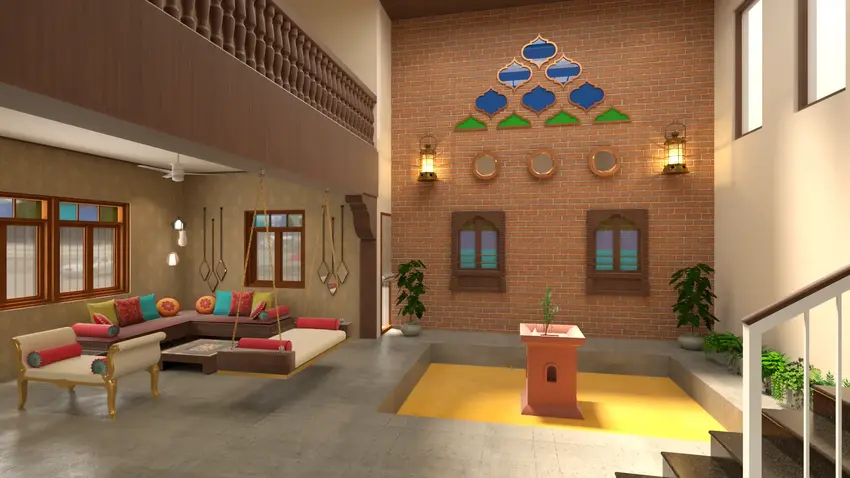
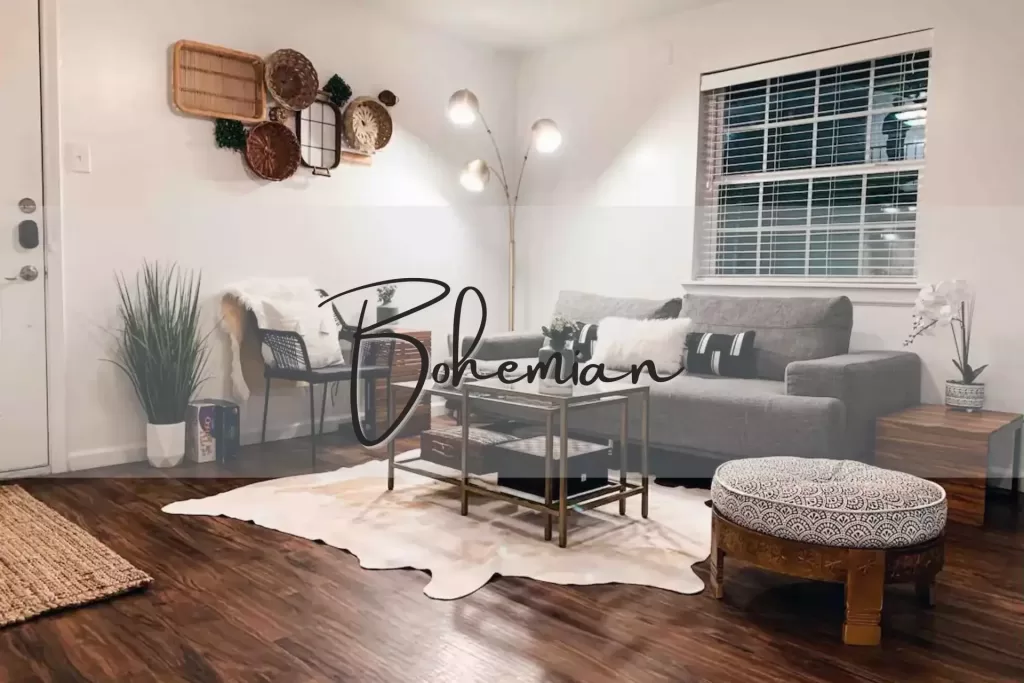
The furniture, color palettes, textiles, and décor used in traditional style are all references from history. Just because traditional style is rooted in history doesn’t mean it has to include all old-fashioned, boring, and outdated elements.
Today’s traditional-style homes incorporate a modern element to keep a sense of balance. These elements include a large kitchen with an island top, open plan spaces, etc. The spaces are set up to be functional, family-friendly, and comfortable.
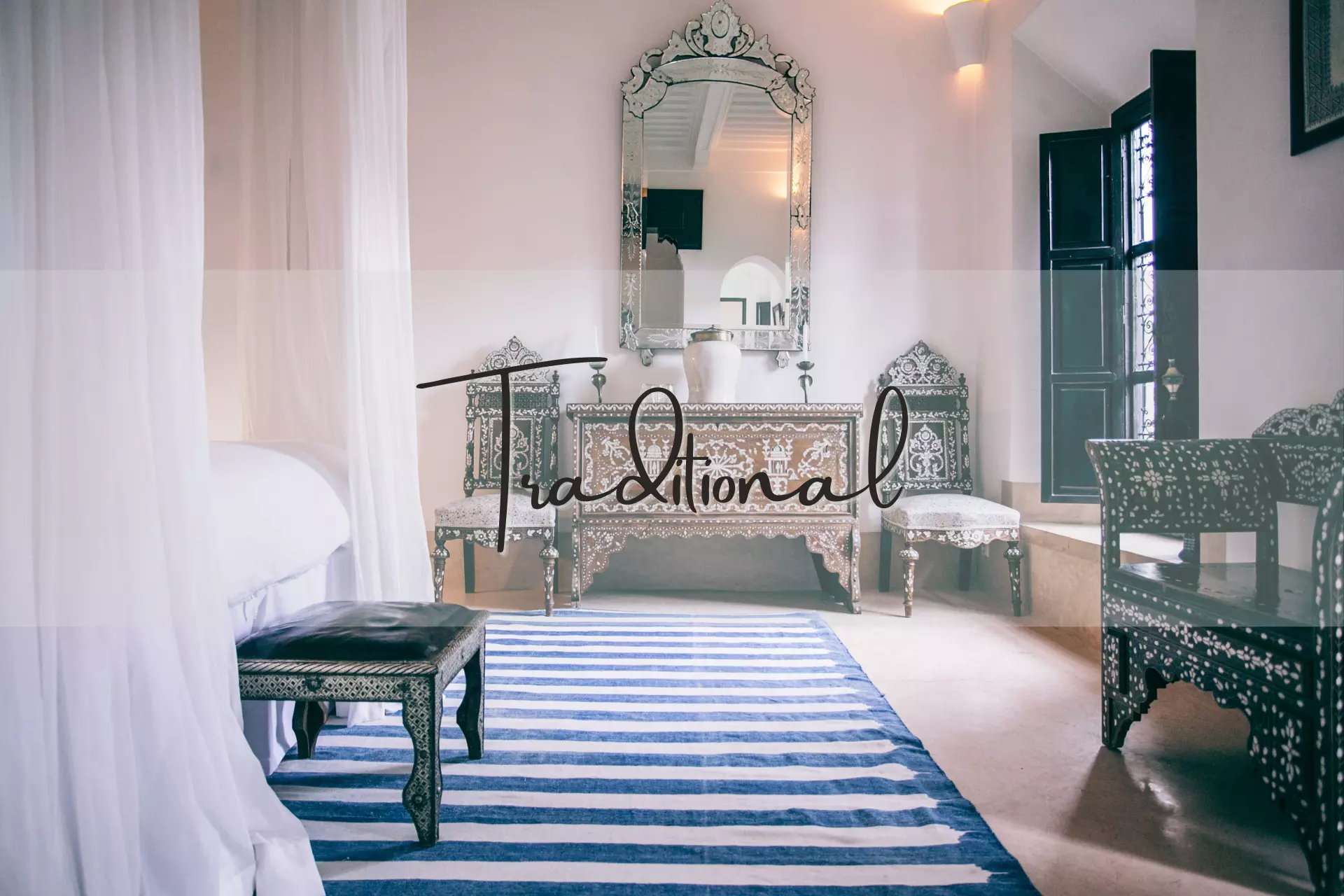
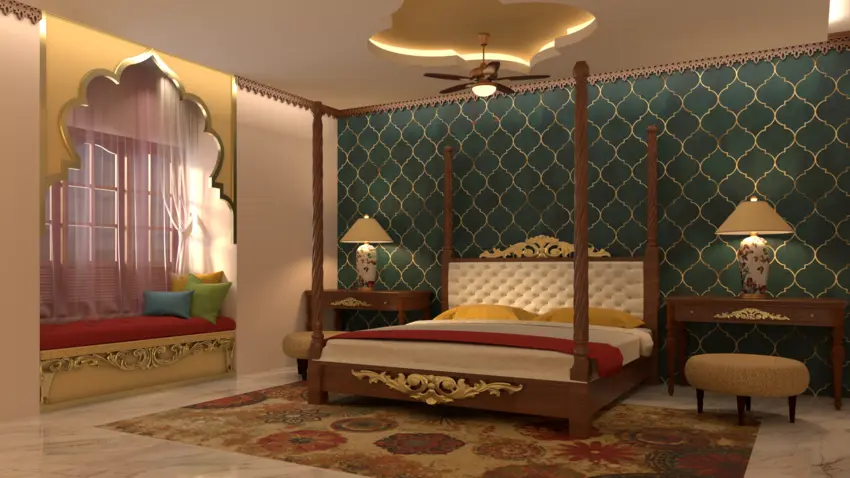
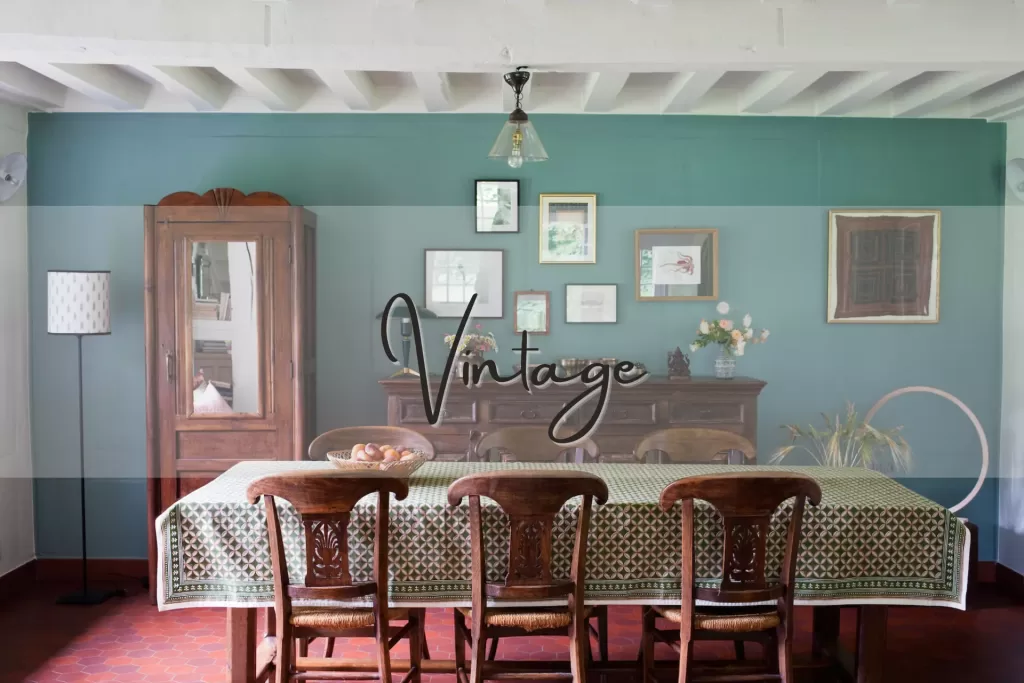
Furniture: The more sumptuous, heavy, and embellished the furniture is the more traditional a space will appear. Furniture is usually made up of woods that are stained in rich colors. The furniture is highly ornamental including a cushioned seat for comfort and elegance. One of the most famous designs of furniture is the Queen Anne chair which is an armchair with curved lines, ornamentation, and a cushioned seat.
Another type of popular furniture style is the wingback chair. Because of its high back, wooden legs, and winged sides it is known as a wingback. In short traditional style is all about finer details with touches of some classic floor lamp and table lamp, chandeliers. These are accented with delicate chinaware, wall scones, mirrors, candleholders, vases, etc.
Colour palette: Traditional interiors are all about warm and rich tones. Colors like red, green, brown, blue, shades of dark wood, and warm jewel tones increase the elegance of this style. These colors tend to be welcoming. The walls of the space are usually neutral in color to enhance and elaborate the furnishings and ornamentation of the space. Accessories and artworks are mostly vibrant colors. Because fusing bold accent color with neutral walls creates a warm and welcoming space.